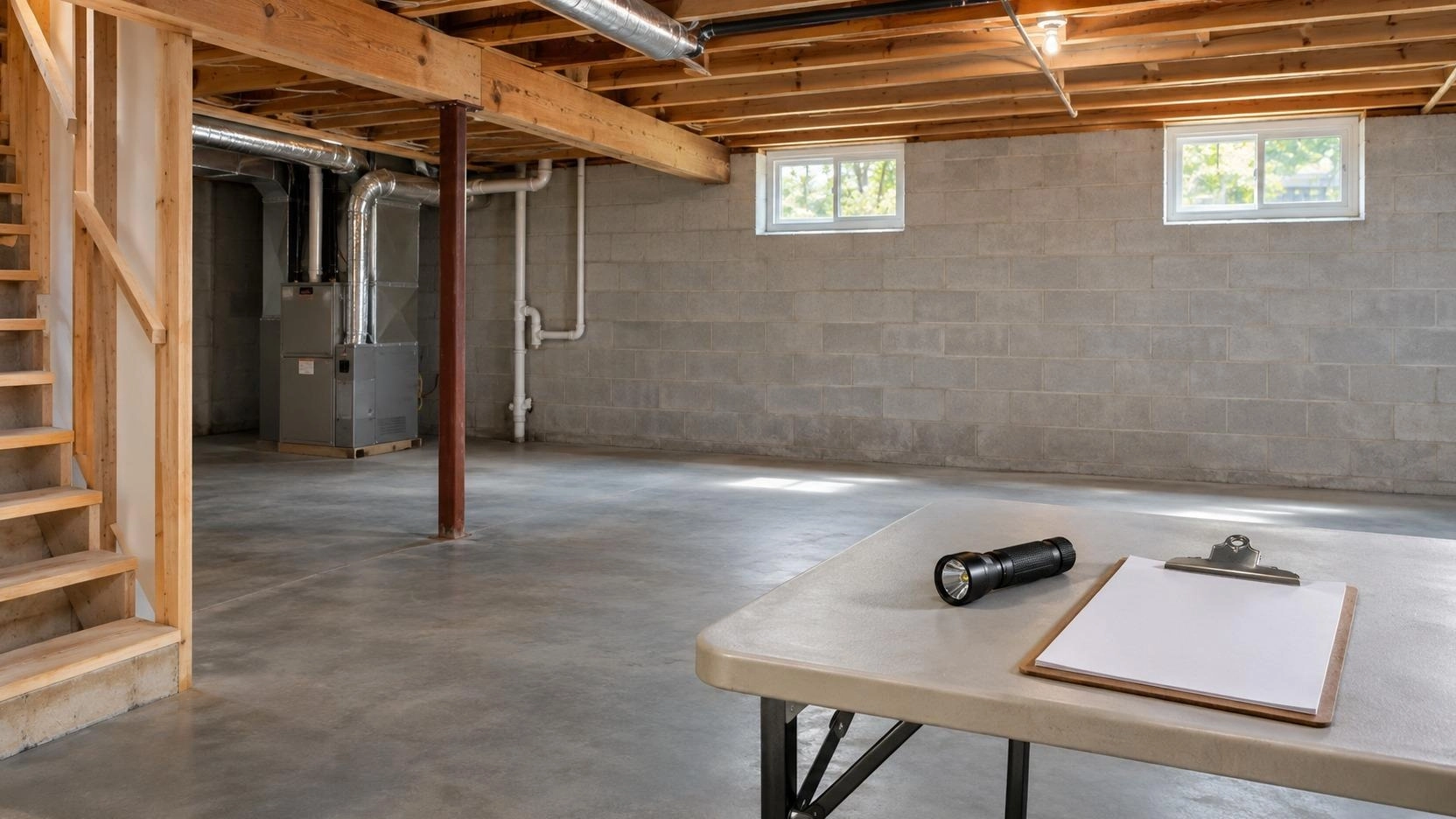
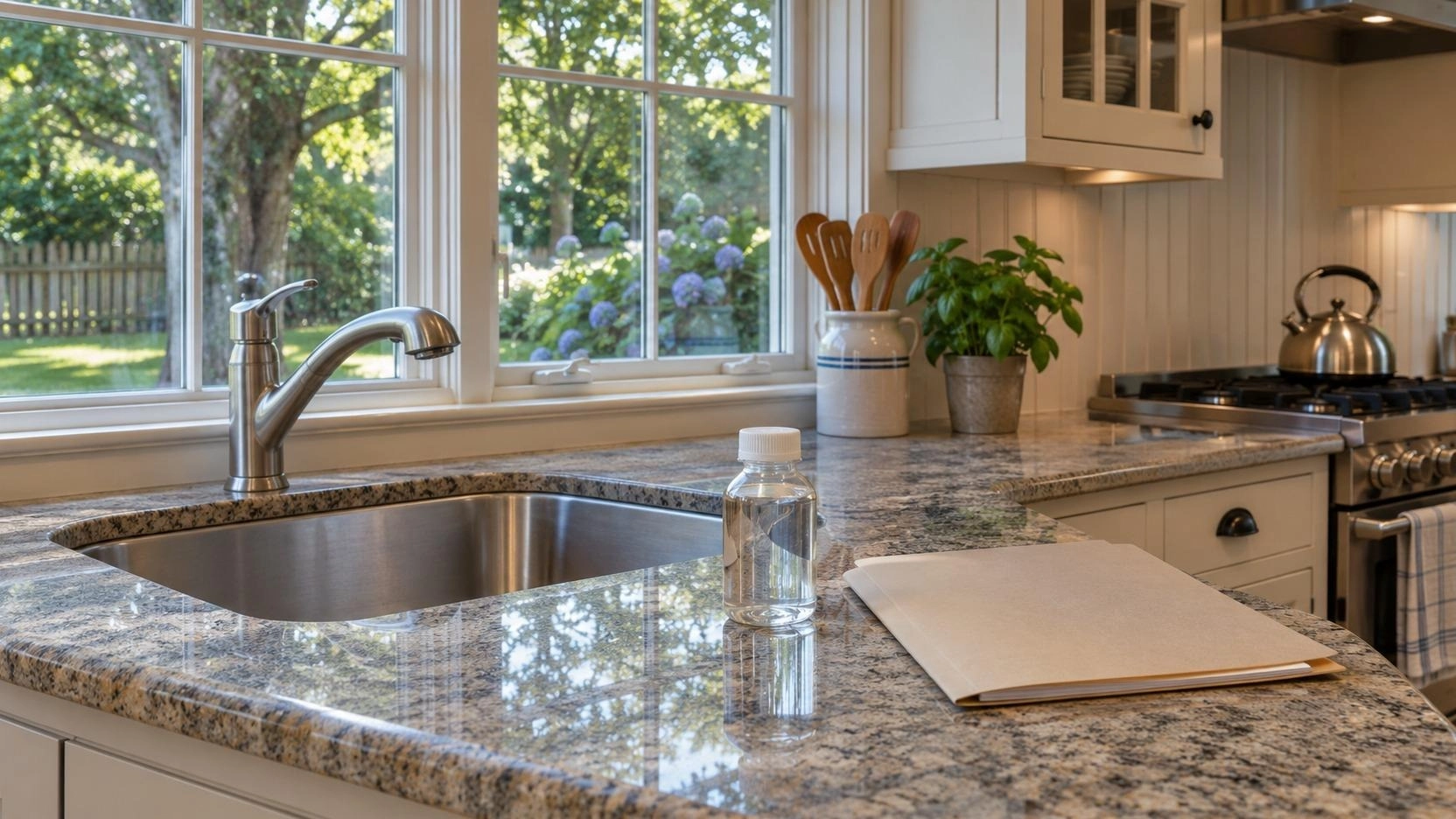
A glass of clear water cannot tell you everything about a home’s private well. Neither can a seller’s assurance that the water has always seemed fine. When buying a Pasadena property served by a well, investigate the water supply as a separate household system, with its own records, testing questions, equipment, and maintenance responsibilities. The review should begin before the final days of the purchase.
You do not need to identify contaminants or diagnose a pump yourself. Your role is to obtain reliable information and ask the right professionals to explain it. The county health department, a qualified well contractor, a certified laboratory, and your transaction team may each address a different part of the process. Keeping those roles clear makes the results easier to understand and use.
Establish which water source serves the home
Confirm whether the property uses a private well, public water, or an arrangement involving other parties. Request supporting information through the seller and transaction team. Do not assume that a neighbor’s water source establishes the source for the home you are considering. A visible piece of equipment also may not explain every connection or historical change at the property.
If a well is shared, ask which written agreements govern use, access, maintenance, and expenses. Have a qualified attorney review any rights or obligations relevant to the purchase. An informal practice between current neighbors may not answer what happens after ownership changes. Identify the actual arrangement before trying to estimate what the buyer’s responsibilities will be.
Use the accurate property identifiers when requesting county information. Anne Arundel County’s Sanitary Engineering Program provides resources concerning private wells and related records. Ask which documents can be obtained for the parcel and whether anything in the file requires clarification. The first goal is a reliable description of the water supply you would acquire, rather than a general impression based on the home’s location.
Assemble a well history that can be evaluated
Request available construction or completion records, permits, prior test reports, service invoices, and treatment-equipment information. Organize them by date and distinguish original documents from informal summaries. A well completion record, a laboratory report, and a pump repair invoice answer different questions. Putting them together helps qualified reviewers understand the history without treating any one item as a complete assessment.
Ask whether the system has been repaired, modified, or treated and request the corresponding records where available. If a seller mentions an old water-quality concern, preserve the sequence of the finding, response, and follow-up. A later service visit may be relevant without proving that every earlier issue was resolved. Have the appropriate professional explain what the record actually establishes.
When documents are missing, ask what can be investigated now and what will remain uncertain. Do not guess a well’s depth, age, or construction from appearance. A professional may need to consult records or perform a defined evaluation before answering. A useful purchase file openly identifies unknowns instead of replacing them with reassuring but unsupported estimates.
Plan water testing with local guidance
The Environmental Protection Agency recommends regular private-well testing and consultation with local health officials about substances relevant to the area. It also directs owners to certified drinking-water laboratories. For a home purchase, ask the county, laboratory, and lender as appropriate which tests, sampling process, and documentation are needed for this property and transaction.
Do not assume a basic package includes every substance you may need to evaluate. Ask what is included, what is excluded, and how the selection was made. Local conditions and the property’s history can make additional questions relevant. A test should be chosen for a clear purpose rather than because it is the least expensive option or uses the broadest-sounding label.
Coordinate sampling through qualified providers and follow the laboratory’s instructions. Ask who will collect the sample, where it will be taken, and how the location relates to any treatment equipment. Do not improvise a sampling method and assume the result will satisfy health, financing, or transaction requirements. The reliability and usefulness of the report depend on more than sending water to a laboratory.
Keep sample dates and locations attached to results
A report describes a particular sample collected at a particular time. Preserve that context when sharing or comparing results. An older test may help explain history without answering the current purchase question. Similarly, water sampled before and after treatment may address different concerns. Ask the laboratory or health department to explain those distinctions instead of assuming the numbers are directly interchangeable.
Read results with a qualified interpreter
Request an explanation of the substances tested, reported concentrations, and relevant standards or other interpretive information. If a result is unclear or concerning, contact the health department or appropriate professional for the next steps. Do not diagnose a health problem, select treatment, or declare the water safe for every purpose from a brief online comparison.
If follow-up testing is recommended, ask what question it is intended to answer and how it should be arranged. A second sample should not be viewed merely as an attempt to obtain a preferable number. It should follow professional guidance and preserve the circumstances needed to interpret it. Keep all relevant reports in the file rather than retaining only the most reassuring result.
Where a potential health concern has been identified, follow the responsible health authority’s guidance about use of the water while the matter is being evaluated. Do not rely on appearance, smell, taste, or a seller’s past experience to override that advice. The purchase decision can be coordinated through the transaction team while qualified professionals address the water question itself.
Review equipment separately from water quality
A laboratory report and a mechanical evaluation provide different information. Ask a qualified well professional what equipment and operational questions should be assessed, including any concerns about the supply serving the home. A favorable test result does not establish the condition of the pump or other components. Likewise, functioning equipment does not resolve every water-quality question.
Provide your intended household use so the professional can explain what information is relevant. A seller’s routine may differ from yours, and a short visit cannot reproduce every future demand. Ask what the evaluation can establish and where its limits lie. Avoid treating a brief demonstration at one faucet as proof of performance under all circumstances.
The Mr. Magothy buyer guide gives an overview of the purchase process. Add well testing and equipment review as distinct tasks within it, with enough time for reports and follow-up. Your agent can help arrange access and coordinate the timeline, while the laboratory, health department, and qualified contractor address questions within their expertise.
Understand any existing treatment system
Ask what each treatment component is intended to address and request available manuals and service records. Do not assume that a filter, softener, or other device treats every possible concern. Have the provider explain the equipment’s purpose and how its operation and effectiveness should be evaluated. A device’s presence is not the same as verified performance.
Find out which maintenance tasks or service arrangements would become your responsibility. Ask about consumables, scheduled service, and how an issue is reported, using information specific to the installed equipment. Historical expense can provide context, but request current information where costs materially affect your planning. Avoid substituting a generic estimate for the actual system’s requirements.
If treatment is proposed in response to a finding, ask the qualified professionals to explain the intended result and the appropriate confirmation process. Keep the proposed solution, completed installation, and follow-up evidence separate in the record. A purchase agreement should not describe an unresolved issue as corrected merely because someone has ordered equipment or scheduled a visit.
Consider future property work
Tell the appropriate professionals if you hope to add living space, change the use of a building, or undertake major exterior work. Well location, related infrastructure, and local requirements may need to be considered as part of that project. Ask what records and approvals would be relevant rather than assuming an open part of the yard is available for any improvement.
Pasadena properties near local creeks and waterways should still be evaluated individually. A waterfront setting does not establish the well’s condition, and an inland location does not eliminate the need for testing and records. Keep geographic context separate from conclusions about the actual supply. The county and qualified providers can help identify questions specific to the address.
A hypothetical buyer may be comfortable with the current house but hope to add a separate space later. That future plan deserves its own feasibility discussion. A current well report should not be stretched into a guarantee that every proposed use can be supported or approved. Decide whether the property works under today’s verified conditions while the future project remains a separate possibility.
Make purchase decisions from the complete record
Bring the records, testing, equipment findings, and any proposed work together before deciding what remains acceptable. Ask your lender which evidence it needs and whether conditions are still outstanding. A buyer’s personal comfort with a report does not necessarily complete financing review. Keep every participant informed of the actual status so that a missing confirmation is not overlooked.
Discuss material findings and contractual options with your agent, obtaining legal advice when needed. The appropriate response depends on the purchase agreement and circumstances. Do not assume an unresolved test automatically changes a deadline or requires a particular seller concession. Any negotiated work or adjustment should be clearly documented with the evidence needed to establish completion.
The Mr. Magothy Real Estate Team’s background can help you begin a focused conversation about the properties you are considering. Bring the questions that matter to your own use rather than asking only whether wells are generally good or bad. A specific, documented review is more useful than a broad category judgment.
Keep a water-supply file after closing
Retain the final reports, equipment records, service contacts, and relevant county correspondence. Ask the qualified provider or health department what continuing testing and maintenance are appropriate. Set reminders based on that guidance and the installed equipment rather than assuming the purchase inspection is the last time the supply needs attention.
When conditions change or a new concern appears, return to the appropriate professionals. The value of a thorough purchase review is not a promise that nothing will ever need service. It is a clear starting record, an understanding of who can answer different questions, and a practical plan for managing the private well that serves your Pasadena home.
FAQs
Does clear water mean a well is safe?
Appearance alone cannot establish water quality. Arrange appropriate testing and interpretation through qualified providers and local health guidance.
Is a water test the same as a well equipment inspection?
No. Water quality and equipment condition are different questions and may require separate services.
Does a treatment device resolve every possible issue?
No. Ask what it is designed to treat and how its performance should be verified for the actual concern.
Contact Mr. Magothy
Considering a Pasadena home with a private well? Contact the Mr. Magothy Real Estate Team at 410-218-3612 to coordinate the records, testing, and professional questions that belong in your purchase review.